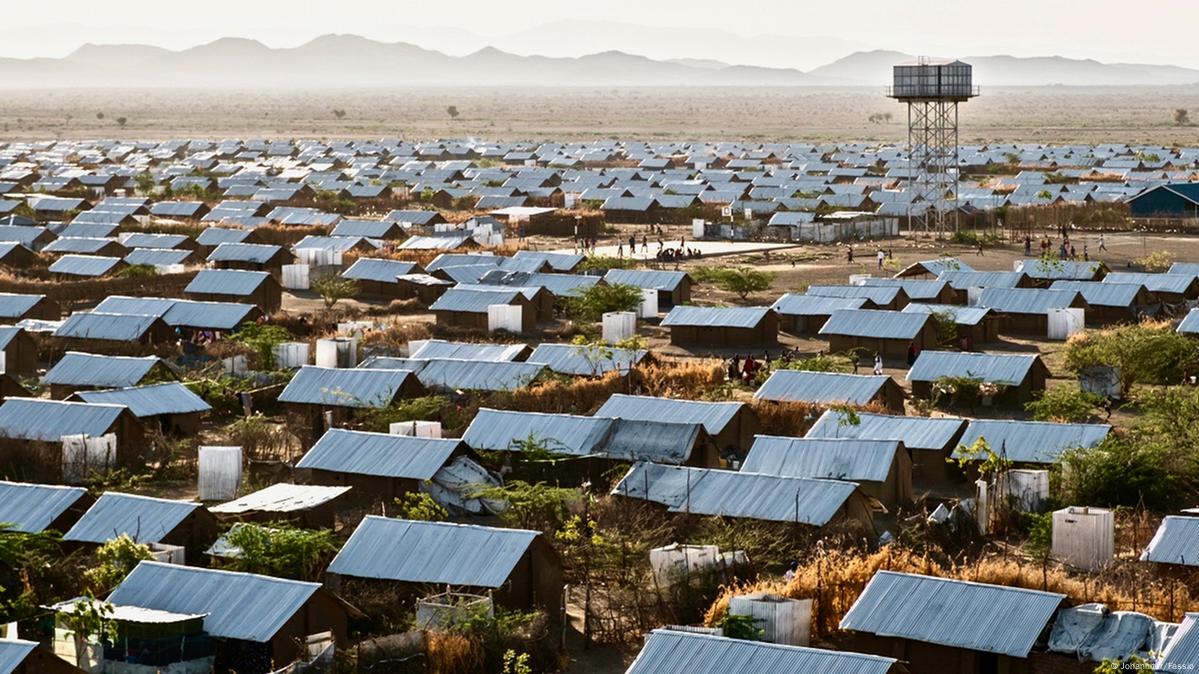
Kenya’s initiative to integrate refugees into the national system is facing a critical threat as a funding shortfall of Sh2.6 billion ($20 million) undermines essential services in Dadaab and Kakuma camps.
The gap has intensified pressure on health, education, water, and protection programs, threatening to undo the gains achieved over the past four years.
According to a new mid-year report by the Refugee Group (NRG), the country’s refugee response system is now “under strain,” with deteriorating infrastructure, rising insecurity, and declining livelihoods across settlements.
The Shirika Plan, launched in 2021 in collaboration with UNHCR and the World Bank, sought to replace the traditional camp-based approach with a model that allows refugees to access schools, healthcare, formal jobs, and financial services as part of Kenya’s broader development goals.
The report highlights critical gaps in funding: health services require an additional Sh1 billion ($8 million), education is short by Sh827.1 million ($6.4 million), protection faces a deficit of Sh516.9 million ($4 million), water and sanitation need Sh193 million ($1.5 million), and logistics lack Sh38.8 million ($300,000).
“Key findings from the report indicated a severe funding shortfall: with a reported funding gap of approximately $20 million (Sh2.6 billion) across health, education, protection, WASH, and logistics; the true figure is higher, as key organisations did not submit data,” the report stated.
The lack of resources has drastically reduced water availability, with Dadaab providing only 10 litres per person daily and Kakuma 14 litres, both below the recommended 20 litres per person in emergencies.
Health facilities are equally strained, with 67 percent of clinics in Kakuma and Hagadera at risk of closure and over 1,000 staff laid off.
Security is worsening as refugees face increasing threats. The survey revealed that 94.8 percent had witnessed or experienced violent attacks in the past six months, while 81 percent reported more frequent thefts.
These challenges threaten the Shirika Plan’s aim to create safer, more self-reliant refugee communities.
Looking ahead, many refugees are reconsidering their future in Kenya. The survey shows that 68.1 percent hope for third-country resettlement, 17.2 percent are considering returning home, and 11.2 percent remain undecided.
Kenya hosts over 700,000 refugees and asylum-seekers, primarily from Somalia, South Sudan, and the Democratic Republic of Congo.
The Shirika Plan, a decade-long strategy through 2030, builds on earlier integration initiatives such as the Kalobeyei and Garissa Integrated Socio-Economic Development Plans, which focused on shared services and livelihoods for refugees and host communities alike.































Comments
Sign in with Google to comment, reply, and like comments.
Continue with Google